Whoa! I opened a new tab the other day and my first thought was: wallets used to be paper and keys, and now they’re browser extensions. I know, that sounds dramatic, but somethin’ about seeing your whole crypto life in a tiny popup is wild. At first it felt like novelty, though actually, wait—let me rephrase that: there was excitement mixed with a genuine itch of distrust. My instinct said “be careful,” but curiosity won, as it usually does.
Really? The more I poked around Solana wallets the more the ecosystem felt alive and a bit messy. I tried a few extensions in Chrome and Brave, and each had its own personality and quirks (oh, and by the way, some UX choices make zero sense). Initially I thought a wallet was just storage, but then realized it’s also a permission manager, a dapp gateway, and sometimes a security surface you need to babysit. On one hand the speed and low fees on Solana are delightful, though actually there are trade-offs that deserve a closer look—latency spikes, occasional RPC blips, and user error risks.
Here’s the thing. I started using a wallet that felt like a neat compromise between usability and control. My first impressions were emotional: “Wow, this is slick,” followed quickly by “Hmm… is my seed phrase backed up?” I wasn’t 100% sure about what I was doing, which is fine, because that uncertainty made me more cautious. So I built habits: small test transfers, reading transaction previews, and labeling accounts like it’s 2010 again. Over time those habits saved me from scrubbing away dust from a very expensive mistake.
Whoa! Security matters more than bells and whistles. Seriously? Browser extensions can be attacked in ways mobile apps rarely are, because extensions live in the browser’s process and can be impacted by other extensions or compromised tabs. My working approach was simple: assume a compromise is possible, then reduce blast radius through compartmentalization and hardware check-ins. On the technical side, that meant separating hot wallets for daily DeFi from colder storage for longer-term holdings, even though juggling multiple wallets is annoying—very very annoying.
Here’s the thing. UX beats raw features for adoption. My biased take: people will pick the wallet that feels easy and safe at glance, even if it’s not the most feature-rich under the hood. That bugs me, because safety is nuanced and often hidden behind multiple clicks. Initially I thought more advanced features would scare people off, but then realized the exact opposite: clear defaults plus optional advanced toggles win. Developers can and should design for that sweet spot—simplicity by default, power if you want it.
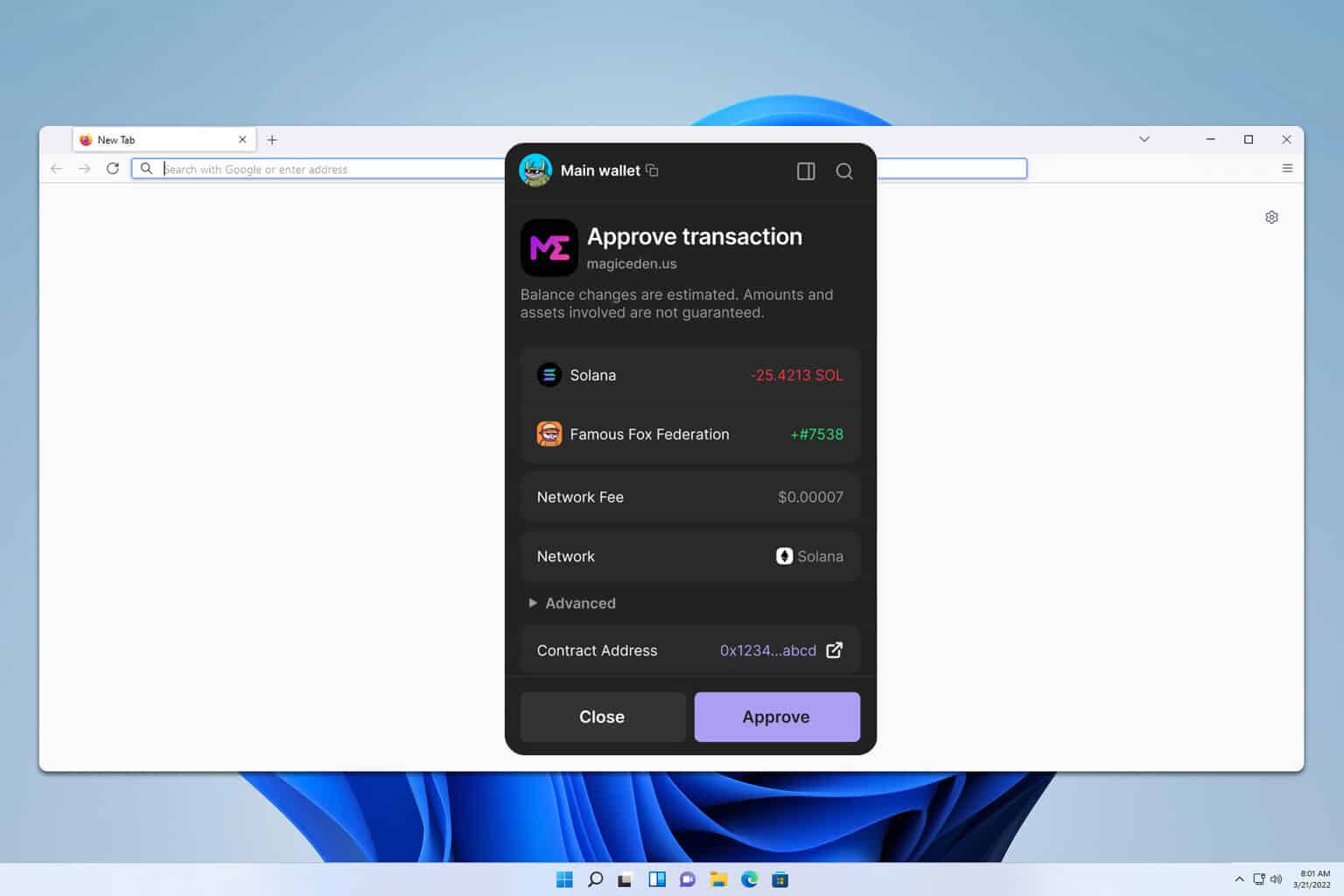
Wow! The Solana dapp landscape rewards wallets that get signatures right. My gut told me somethin’ was off when I saw permission prompts that didn’t explain token approvals clearly. On the analytics side it’s obvious: ambiguous prompts lead to bad decisions. So I began auditing prompts before clicking accept, reading the contract addresses and verifying on explorers when needed. Those extra 30 seconds have prevented me from being on the wrong end of a rug pull more than once.
Really? Integrations matter a lot. I tested swapping, staking, and NFT flows across several extensions, and found that tiny UX choices—like showing net outputs, gas refunds, or simulation results—made huge differences in trust. On one occasion a transaction preview revealed an unexpected approval scope, and that saved me from a costly mistake. I’m not perfect; I still get tripped up sometimes when RPCs misreport fees, but being skeptical helps. Something felt off that day, and because I paused, I didn’t lose funds.
Here’s the thing. If you’re shopping for a Solana browser wallet, prioritize these things: clear signing UX, recoverable seed management, good default security, and an active dev team. I learned this the hard way by trying extensions that looked shiny but had poor recovery flows. Initially I ignored community signals, then realized developer responsiveness matters—it’s a proxy for long-term viability. I’m biased, but community trust and transparent audits are huge in my checklist.
How I Picked My Go‑to Extension (and a small recommendation)
Okay, so check this out—after months of testing I gravitated toward an extension that balanced simplicity with control. My process was low-tech: test small transfers, sign a few dapp interactions, ask in developer channels, and read a couple audits (not everything, but enough to feel comfortable). I also recommended to friends that they try phantom wallet because it hit my personal sweet spot of UX, integrations, and active community support. I’m not paid to say that; I’m biased, but it’s the wallet I kept coming back to for daily use, NFTs, and quick DeFi hops.
FAQ
Is a browser wallet safe to use?
Short answer: with precautions. Long answer: treat browser extensions like hot wallets—use them for everyday activity, keep substantial assets in cold storage, verify transaction details, and consider hardware wallet integration when possible. Initially I thought browser wallets were too risky, but with the right habits they’re a practical trade-off.
What common mistakes should I avoid?
Don’t click blindly. Seriously, read approval scopes and double-check destination addresses. Use small test transactions, back up seeds securely (not in screenshots), and avoid sharing private keys. Also: don’t rely on one RPC provider—have alternatives configured if your wallet allows it.